Is Your Home Ready for the Hottest Part of Summer?
Simple Ways to Keep Your Home Cooler, More Comfortable, and More Efficient
The hottest days of summer can put your home—and your cooling system—to the test.
When temperatures rise, air conditioners work harder, utility bills increase, and small maintenance problems can quickly become uncomfortable and expensive. A little preparation can help your home stay cooler while reducing unnecessary strain on your HVAC system.
Here are a few practical ways to get your home ready for the hottest part of summer.
Change Your Air Filter
A dirty air filter restricts airflow and forces your HVAC system to work harder than necessary.
Check your filter regularly and replace it according to the manufacturer’s recommendations. Homes with pets, allergies, remodeling dust, or frequent HVAC use may need more frequent filter changes.
A clean filter can improve airflow, indoor air quality, and overall system performance.
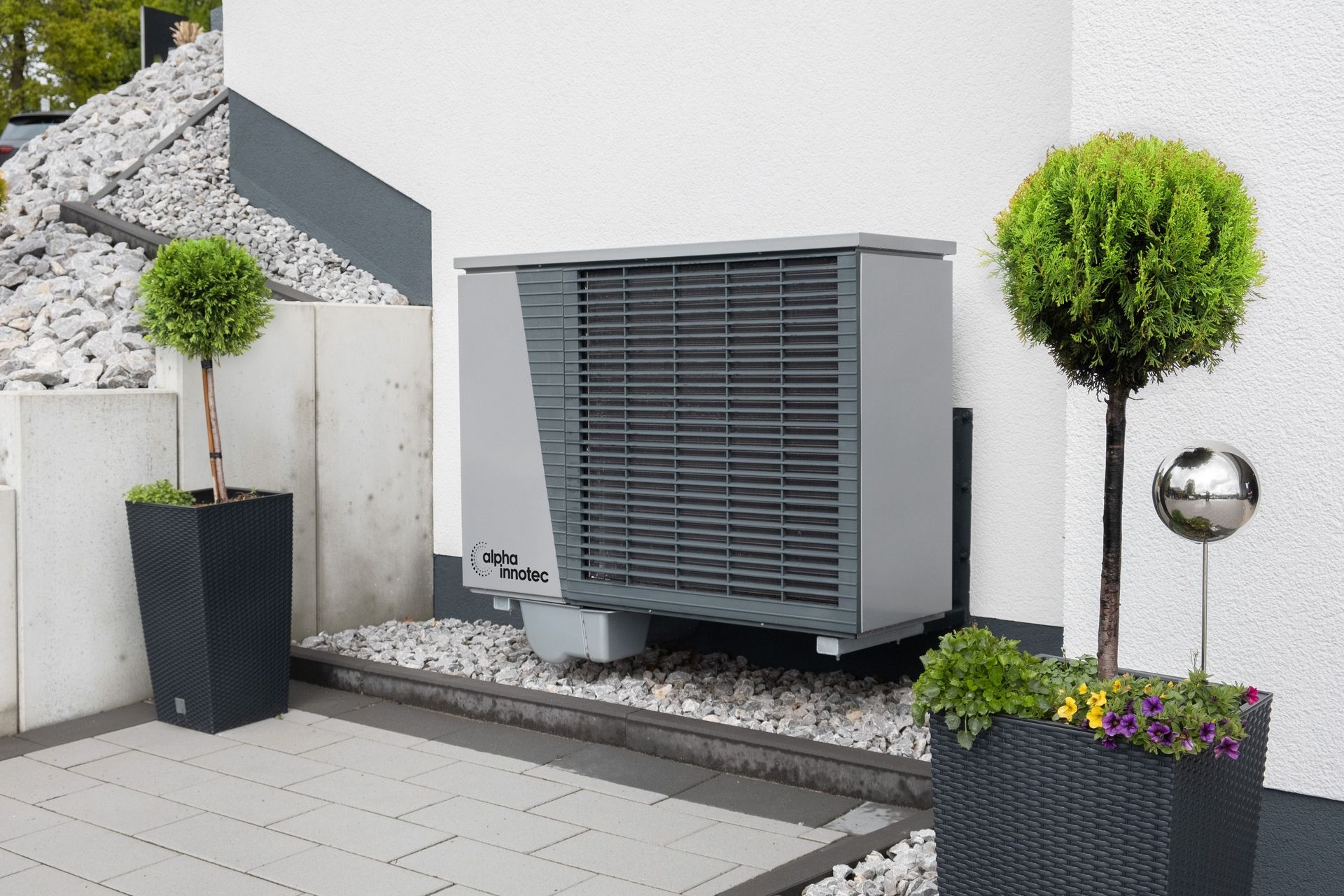
Keep the Outdoor Unit Clear
Your outdoor air-conditioning unit needs plenty of airflow to operate efficiently.
Remove leaves, grass clippings, weeds, and other debris from around the unit. Trim nearby plants or shrubs, but avoid damaging the equipment.
Leave adequate space around the unit and never cover it while it is operating.
Use Ceiling Fans Correctly
Ceiling fans do not lower the temperature of a room, but they can help people feel cooler by circulating the air.
During summer, most ceiling fans should rotate counterclockwise when viewed from below. This pushes air downward and creates a cooling breeze.
Remember to turn fans off when leaving the room since they cool people—not empty spaces.
Close Blinds and Curtains
Direct sunlight can quickly heat rooms, especially those with large windows.
Close blinds, curtains, or shades during the hottest part of the day. Blackout or insulated curtains may be especially helpful in rooms that receive strong afternoon sun.
Opening window coverings early in the morning or later in the evening can still provide natural light without adding as much heat.
Check Doors and Windows for Air Leaks
Cool air can escape through gaps around doors and windows.
Inspect weatherstripping and caulk for damage or deterioration. Replacing worn materials is often an inexpensive project that can help keep cool air inside and hot air outside.
Do not forget to check exterior doors, attic access points, and windows in less frequently used rooms.
Adjust the Thermostat Thoughtfully
Setting the thermostat extremely low will not cool the house faster. It may simply cause the system to run longer.
Choose a comfortable temperature and avoid making frequent, dramatic adjustments. A programmable or smart thermostat can automatically raise or lower the temperature based on your schedule.
Increasing the temperature slightly when no one is home may help reduce energy use without sacrificing comfort.
Avoid Adding Unnecessary Heat
Ovens, dryers, dishwashers, and other appliances generate heat.
When possible, use heat-producing appliances during the cooler morning or evening hours. Summer is also a great time to cook outdoors, use a slow cooker, or prepare meals that require little oven time.
Turning off unused lights and electronics can also reduce heat inside the home.
Watch Indoor Humidity
High humidity can make your home feel warmer than the thermostat indicates.
Use bathroom and kitchen exhaust fans to remove moisture, and make sure dryer vents are properly connected and venting outside. A dehumidifier may help in damp basements or other humid areas.
Persistent moisture should not be ignored, as it can contribute to mold, mildew, and damage to the home.
Know the Warning Signs of HVAC Trouble
Pay attention if your air conditioner begins making unusual noises, blowing warm air, cycling on and off frequently, or struggling to maintain the set temperature.
Other possible warning signs include:
- Weak airflow from vents
- Unusual odors
- Water around the indoor unit
- Sudden increases in utility costs
- Some rooms feeling much warmer than others
Addressing a small problem early may prevent a larger repair during the hottest days of the year.
Schedule Preventive Maintenance
A professional HVAC inspection can help identify worn components, drainage issues, low refrigerant, or other problems before the system fails.
Preventive maintenance is especially important for older systems or homes where the cooling equipment has already shown signs of struggling.
Do Not Forget the Attic
Attics can become extremely hot during summer.
Proper insulation and ventilation help reduce the amount of heat transferred into the living areas below. If upstairs rooms are consistently difficult to cool, attic insulation or ventilation may be part of the problem.
A qualified professional can evaluate whether improvements are needed.
A Cooler Home Starts With Simple Steps
You do not need a major renovation to make your home more comfortable during the hottest part of summer.
Changing the air filter, blocking afternoon sun, sealing air leaks, managing humidity, and watching for signs of HVAC trouble can all make a meaningful difference.
At Uptown Properties, we believe caring for your home is an important part of protecting your investment. A well-maintained home is not only more comfortable—it may also be more appealing to future buyers.
Stay cool, stay comfortable, and enjoy the rest of your summer!
Social Media Caption
Curious About Your Properties Updated Market Value?
Fill Out The Form Below And We Will Send You A Free Market Value Report!
*We value your privacy so any information submitted will not be sold, shared, or added to any type of automated marketing list*
Sign up to our newsletter
Looking To Buy Or Sell A Property?
Contact Us Or Fill Out The Form Below!
Contact Us