Fireworks and Pets: Helping Our Four-Legged Family Members Have a Safe Fourth of July
Keep Pets at Home
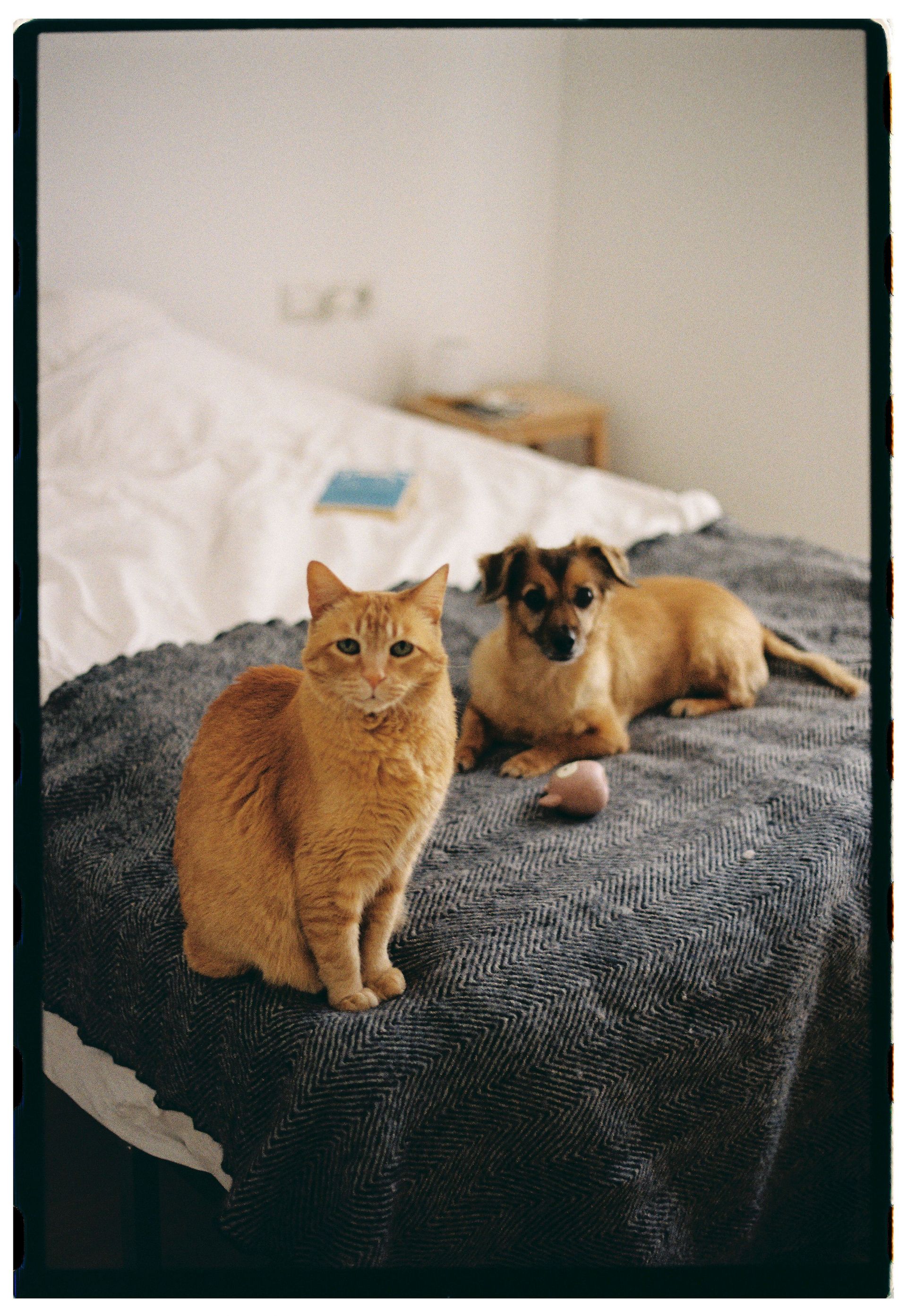
The Fourth of July is filled with cookouts, community celebrations and beautiful fireworks displays. While the bright lights and loud booms may be exciting for us, they can be frightening—and sometimes dangerous—for our pets.
Dogs and cats do not understand that fireworks are part of a celebration. The sudden flashes, explosions and unfamiliar smells may cause them to panic, hide or attempt to escape. With a little preparation, you can help your furry family members stay safe and comfortable throughout the holiday.
Keep Pets at Home
A crowded fireworks display is rarely an enjoyable place for a pet. Even dogs that are normally comfortable around people may become overwhelmed by loud noises, unfamiliar surroundings and large crowds.
The safest option is usually to leave pets at home in a secure, familiar environment. The American Veterinary Medical Association recommends keeping animals indoors rather than taking them to fireworks displays, parades or other noisy celebrations.
Create a Quiet, Comfortable Space
Before the festivities begin, prepare a safe place where your pet can retreat. This could be a bedroom, bathroom, crate or quiet interior room.
Include familiar comforts such as:
- Their bed or favorite blanket
- A few toys or treats
- Fresh water
- Soft music, a television or a fan to help mask outside noise
- A litter box for cats
Close the windows, curtains and blinds to reduce both the sound and flashes of light. Never force a frightened pet out of a hiding place unless the location is unsafe.
Exercise Dogs Earlier in the Day
Take your dog for a walk or allow plenty of supervised playtime before neighborhood fireworks begin. Exercise may help your pet feel more relaxed later in the evening.
Always use a secure leash—even in a fenced yard. A frightened dog may jump a fence, dig underneath it or bolt through an open gate.
Check Identification Before the Holiday
Make sure your pet is wearing a properly fitted collar with an updated identification tag. Confirm that your current telephone number and address are listed.
Microchipped pets have an additional form of identification, but the registration information must be current. Check your pet’s microchip account before the holiday and update any outdated contact details.
Fireworks can startle animals and cause them to run away, so prevention and accurate identification are especially important during holiday celebrations.
Secure Doors, Windows and Gates
When guests are coming and going, it only takes a moment for a frightened pet to slip through an open door.
Let visitors know that your pet is being kept in a quiet room and ask everyone to be careful when entering or leaving the house. Check doors, screens, fences and gates before the celebration begins.
Cats should remain indoors, even if they normally spend time outside.
Never Use Fireworks Near Animals
Sparklers, firecrackers and other fireworks can cause burns or serious injuries. Unused fireworks and discarded debris may also contain potentially harmful materials.
Keep pets away from the area where fireworks are being stored or used. Afterward, carefully clean up spent fireworks, packaging and other debris before allowing animals back into the yard.
Be Careful With Holiday Food
It can be tempting to share food from the grill, but many common cookout items are unhealthy or dangerous for pets.
Keep pets away from alcohol, chocolate, onions, grapes, raisins, fatty meats, bones and foods containing the artificial sweetener xylitol. Secure trash cans and remind guests not to feed pets without permission.
Talk to Your Veterinarian Before July Fourth
Some pets experience severe noise anxiety. Signs may include shaking, panting, pacing, drooling, hiding, barking, destructive behavior or attempts to escape.
Speak with your veterinarian before the holiday if your pet has previously shown intense fear during thunderstorms or fireworks. Your veterinarian may recommend behavioral strategies, calming products or prescription medication.
Never give your pet human medication or medication prescribed for another animal unless your veterinarian specifically instructs you to do so.
What to Do if Your Pet Escapes
Begin searching immediately and contact nearby animal shelters, veterinary offices and animal-control agencies. Post a clear, recent photograph in neighborhood social-media groups and ask neighbors to check garages, sheds, porches and security cameras.
A frightened animal may hide nearby and may not respond normally when called. Approach carefully and avoid chasing, which may cause the pet to run farther away.
Celebrate With Their Safety in Mind
Our pets depend on us to recognize dangers they cannot understand. A secure home, current identification and a peaceful place away from the noise can make a tremendous difference.
As we celebrate America’s 250th birthday, let’s remember our four-legged family members and help make the holiday safe for everyone.
From all of us at Uptown Properties, we wish you, your family and your pets a happy and safe Fourth of July! 🇺🇸🐾
Curious About Your Properties Updated Market Value?
Fill Out The Form Below And We Will Send You A Free Market Value Report!
*We value your privacy so any information submitted will not be sold, shared, or added to any type of automated marketing list*
Sign up to our newsletter
Looking To Buy Or Sell A Property?
Contact Us Or Fill Out The Form Below!
Contact Us