June Listing List: Want to Be on the Market by the End of June? Here’s Your To-Do List

Sandie Rhymer • June 4, 2026

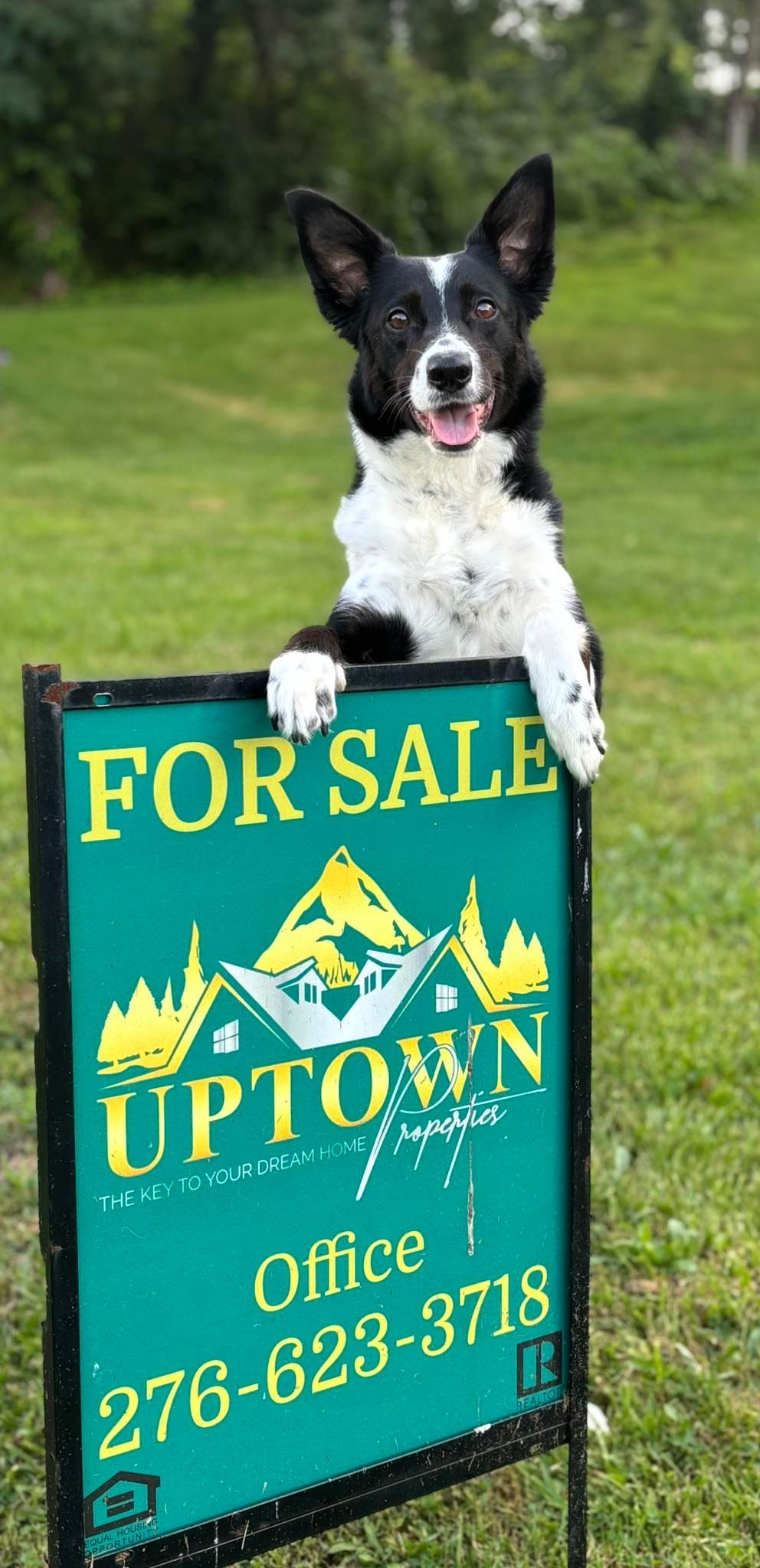
Every yard needs this sign!

Thinking about listing your home before the end of June? Now is the time to start preparing.

Getting a home ready for the market does not happen overnight — at least not if you want to do it well. Between pricing, paperwork, photos, repairs, cleaning, staging, and marketing prep, there are several important steps that can make a big difference in how your home presents to buyers.

Here’s your June listing to-do list if you want to be on the market before the month ends.

1. Schedule a Listing Consultation

The first step is simple: talk with a real estate professional early.

A listing consultation gives you a chance to understand your home’s potential value, review your timeline, discuss your goals, and get advice on what should — and should not — be done before listing.

Not every project is worth the money. Sometimes a small repair, fresh cleaning, or decluttering plan matters more than a major update. A good listing consultation helps you focus your time, energy, and budget in the right places.

2. Start Decluttering Room by Room

Buyers need to be able to see the space, not just your stuff.

Start with the areas buyers notice most:

  • Kitchen counters
  • Bathroom counters
  • Closets
  • Entryways
  • Living areas
  • Garages
  • Porches
  • Storage rooms

You do not have to empty your home completely, but you do want it to feel clean, open, and easy to walk through. A good rule of thumb: if you do not use it daily, consider packing it away.

3. Handle Small Repairs

Small issues can make buyers wonder what bigger issues may be hiding.

Before photos and showings, look for things like:

  • Loose doorknobs
  • Burned-out light bulbs
  • Leaky faucets
  • Missing outlet covers
  • Touch-up paint needs
  • Broken blinds
  • Sticking doors
  • Loose railings
  • Minor exterior repairs

These little things may not seem major, but they can affect how well your home shows.

4. Clean Like Company Is Coming

Because it is.

Before your home goes live, plan for a deep clean. Pay special attention to kitchens, bathrooms, floors, baseboards, windows, appliances, ceiling fans, and light fixtures.

A clean home feels better cared for, photographs better, and makes a stronger first impression.

5. Work on Curb Appeal

The outside of your home is the first thing buyers see online and in person.

Simple updates can make a huge difference:

  • Mow and trim the lawn
  • Weed flower beds
  • Add fresh mulch
  • Sweep porches and sidewalks
  • Clean the front door
  • Add a seasonal plant or wreath
  • Remove extra yard items
  • Power wash if needed

Buyers often decide how they feel about a property before they ever step inside.

6. Gather Important Documents

Having documents ready can help the listing process move faster.

Start collecting:

  • Survey, if you have one
  • HOA information, if applicable
  • Utility averages
  • Septic or well records, if applicable
  • Recent repair receipts
  • Appliance information
  • Warranties
  • Mortgage payoff information, if needed
  • Rental or lease information, if applicable

Your agent can help you determine what is needed for your specific property.

7. Think About Your Showing Plan

Once your home is on the market, buyers may want to see it quickly.

Think ahead about:

  • Pets
  • Work schedules
  • Kids’ schedules
  • Cleaning routines
  • Lights and blinds
  • Security systems
  • Parking
  • Access instructions

A clear showing plan helps reduce stress once your listing is active.

8. Prepare for Photos

Professional photos are one of the most important parts of your listing.

Before photo day, make sure counters are cleared, beds are made, trash cans are hidden, laundry is put away, toilet lids are down, lights are working, and personal items are minimized.

Your online presentation matters. Most buyers see your home online before they ever schedule a showing.

9. Review Pricing Carefully

Pricing is strategy, not a guess.

The right price should consider current market conditions, comparable sales, competing listings, location, condition, updates, buyer demand, and your timeline.

Overpricing can cost valuable time. Underpricing can leave money on the table. A strong pricing strategy helps position your home to attract serious buyers.

10. Choose a Local Listing Team

Selling a home is more than putting a sign in the yard.

You need a team that understands the local market, knows how to present your property well, communicates clearly, and helps you navigate each step from listing to closing.

At Uptown Properties, we help sellers prepare, price, market, negotiate, and move forward with confidence.

Ready to List by the End of June?

If your goal is to be on the market before June is over, now is the time to get started.

The sooner we begin, the better we can help you prepare your home, avoid last-minute stress, and create a strong first impression for buyers.

Your June listing starts with a plan. Start Uptown.

For a shorter social media caption version:

Want to be on the market by the end of June? Here’s your June Listing List:

Declutter. Clean. Handle small repairs. Boost curb appeal. Gather documents. Plan for showings. Schedule photos. Review pricing. Choose a local listing team that knows how to help you prepare the right way.

Listing your home is not just about putting it online — it is about positioning it to stand out.

If June is your month to make a move, let’s get your plan started.

Start Uptown.

Curious About Your Properties Updated Market Value?

Fill Out The Form Below And We Will Send You A Free Market Value Report!

*We value your privacy so any information submitted will not be sold, shared, or added to any type of automated marketing list*

Sign up to our newsletter

Looking To Buy Or Sell A Property?


Contact Us Or Fill Out The Form Below!

Contact Us

Uptown Properties LLC

Address

125 Charwood Drive

Abingdon, VA 24120

Phone
Email
By Sandie Rhymer June 7, 2026
What’s In, What’s Out, and What Actually Matters When Selling
By Sandie Rhymer June 1, 2026
Wishing Everyone a Wonderful Summer
By Sandie Rhymer May 24, 2026
With gratitude, we remember
By Sandie Rhymer May 12, 2026
Celebrating the People Who Care for Our Community
By Sandie Rhymer May 10, 2026
Mother’s Day has a way of making us think about home a little differently.
By Sandie Rhymer May 6, 2026
Here’s Where to Start 
By Sandie Rhymer May 4, 2026
Finding the Right Home Doesn’t Have to Feel Like a Battle
By Sandie Rhymer May 2, 2026
A Real Estate Reminder to Protect Your Money Online
By Sandie Rhymer April 30, 2026
When buyers start shopping for a home, most of the focus goes to the sales price, loan approval, inspections, and closing costs. But there is one important piece that often gets overlooked until late in the process: homeowners insurance . And waiting too long to get that quote can create stress, delays, and sometimes unexpected surprises. Insurance Is Part of the Bigger Payment Picture When a buyer is approved for a mortgage, the monthly payment estimate usually includes principal, interest, taxes, and insurance. The insurance portion may look small at first, but depending on the home, location, age, roof condition, claims history, and coverage needs, that number can change. A home that looks affordable on paper may feel very different once the real insurance premium is added in. That is why it is smart to get a quote as early as possible once you are seriously considering a property. Not Every Home Is Insured the Same Way Two homes with the same sales price can have very different insurance costs. Insurance companies may look at things like: The age of the roof The condition of the electrical, plumbing, and HVAC systems Whether the home has a fireplace, wood stove, pool, or outbuildings Distance to a fire department or hydrant Prior claims on the property Location-related risks The type and amount of coverage needed In rural areas, mountain communities, older homes, farms, cabins, and properties with extra structures, insurance can be especially important to review early. A Quote Can Help Avoid Last-Minute Closing Problems Insurance is usually required by the lender before closing. If the buyer waits until the final days to shop for coverage, a higher-than-expected premium can affect the numbers. In some cases, a buyer may need to adjust escrows, bring more money to closing, or revisit their loan approval. That is not something anyone wants to discover right before closing day. Getting a quote early gives everyone time to solve issues before they become urgent. It Gives Buyers Time to Compare Another reason to start early is simple: not all insurance quotes are the same. Buyers may want to compare coverage, deductibles, replacement cost, personal property limits, liability coverage, and optional add-ons. The cheapest policy is not always the best policy, especially if it leaves major gaps in protection. A little time to compare can help buyers feel more confident about both the cost and the coverage. It Can Reveal Important Property Questions Sometimes an insurance quote brings up questions that buyers may not have thought to ask. For example: How old is the roof? Has the home ever had water damage? Are there previous insurance claims? Is the home in a flood zone? Are there detached structures that need separate coverage? Does the home have features that may increase premium costs? These questions can help buyers better understand the home they are purchasing. The Bottom Line Buying a home is not just about getting to the closing table. It is about understanding the full picture before you get there. A homeowners insurance quote is one of those details that can make a big difference. Getting it early helps buyers avoid surprises, understand their true monthly payment, and move toward closing with more confidence. At Uptown Properties, we believe informed buyers make stronger decisions. From the first showing to the final signature, our goal is to help you understand the process, ask the right questions, and feel prepared every step of the way. Thinking about buying a home in Southwest Virginia or Northeast Tennessee? Let’s make sure you are looking at the whole picture — not just the list price.
By Sandie Rhymer March 29, 2026
Selling a home during a divorce is rarely just a real estate transaction. It is emotional, complicated, and often tied to bigger financial and legal decisions. If you are walking through this season, it helps to know that the process can be managed well with the right guidance and clear communication. In Virginia, property division in divorce is handled through equitable distribution, which means the court looks at how property and debts should be divided fairly, not automatically 50/50. Marital property is generally presumed to be jointly owned unless there is clear evidence otherwise. The House Is More Than a House For many couples, the home is one of the biggest assets involved in the divorce. It may also carry the most emotional weight. On top of that, there may be questions about mortgage responsibility, title, equity, repairs, timing, and who gets to stay in the property while everything is being worked out. That is why selling during a divorce usually requires more planning than a typical home sale. First Things First: Know Who Has Authority Before putting the home on the market, it is important to understand who has legal authority to sell and what agreements are already in place. Depending on the situation, that may be controlled by a separation agreement, a court order, the way title is held, or guidance from each spouse’s attorney. This is not the time to make assumptions. Even when both names are involved, the details matter. In Virginia divorce cases, courts can address both property and debt allocation as part of equitable distribution. Agree on the Process Early One of the best things divorcing sellers can do is decide early how the sale will be handled. That includes: Choosing the agent Agreeing on a listing price Deciding how showings will work Determining who handles repairs Setting expectations for communication Understanding how proceeds may be divided at closing The more that can be worked through up front, the smoother the process tends to be. Remember: The Mortgage Is a Separate Issue A lot of people assume that once a divorce is final, the mortgage automatically follows whatever the divorce agreement says. Unfortunately, that is not always how it works. Mortgage servicers and lenders are separate from the divorce case, and homeowners can run into serious problems when trying to remove a spouse, keep an existing loan, or get clear answers about servicing after divorce. The CFPB reported in December 2024 that some homeowners experienced pressure to refinance into new, higher-interest loans instead of keeping their existing mortgage. That is why it is so important to have both legal and financial guidance before making decisions about whether to sell, refinance, or keep the home. Pricing Matters More Than Ever When emotions are high, pricing can become a point of tension. One spouse may want to price high to “leave room,” while the other may want a faster sale just to move on. The truth is, overpricing a home in a divorce situation can create even more stress. More days on market often mean more carrying costs, more frustration, and more conflict. A smart pricing strategy based on market data gives both sides a more objective starting point. Neutrality Is Important This is one of those situations where professionalism matters in a big way. A real estate agent in a divorce sale should stay focused on the property, the process, and the agreed-upon goals. Clear communication, strong documentation, and a calm approach can make a difficult situation a little easier for everyone involved. Disclosure Still Matters Even in a difficult personal situation, sellers still need to follow the normal rules that apply to a home sale. In Virginia, residential sales are still subject to the state’s disclosure framework, and the required paperwork does not disappear just because the sellers are divorcing. Final Thoughts Selling a home during a divorce can feel overwhelming, but it does not have to become chaotic. With the right plan, the right professionals, and a clear understanding of the process, it is possible to move through it with less stress and fewer surprises. If you are facing a sale during divorce, make sure you have a trusted real estate agent involved early, and always lean on your attorney for legal advice specific to your situation. This blog is for general information only and is not legal advice. Divorce, title, and mortgage issues can be highly specific, so sellers should speak with a Virginia attorney and their mortgage servicer about their individual situation.