Small Town, Big Heart — Why Our Community Feel Matters When You’re Buying or Selling
Sandie Rhymer • December 24, 2025
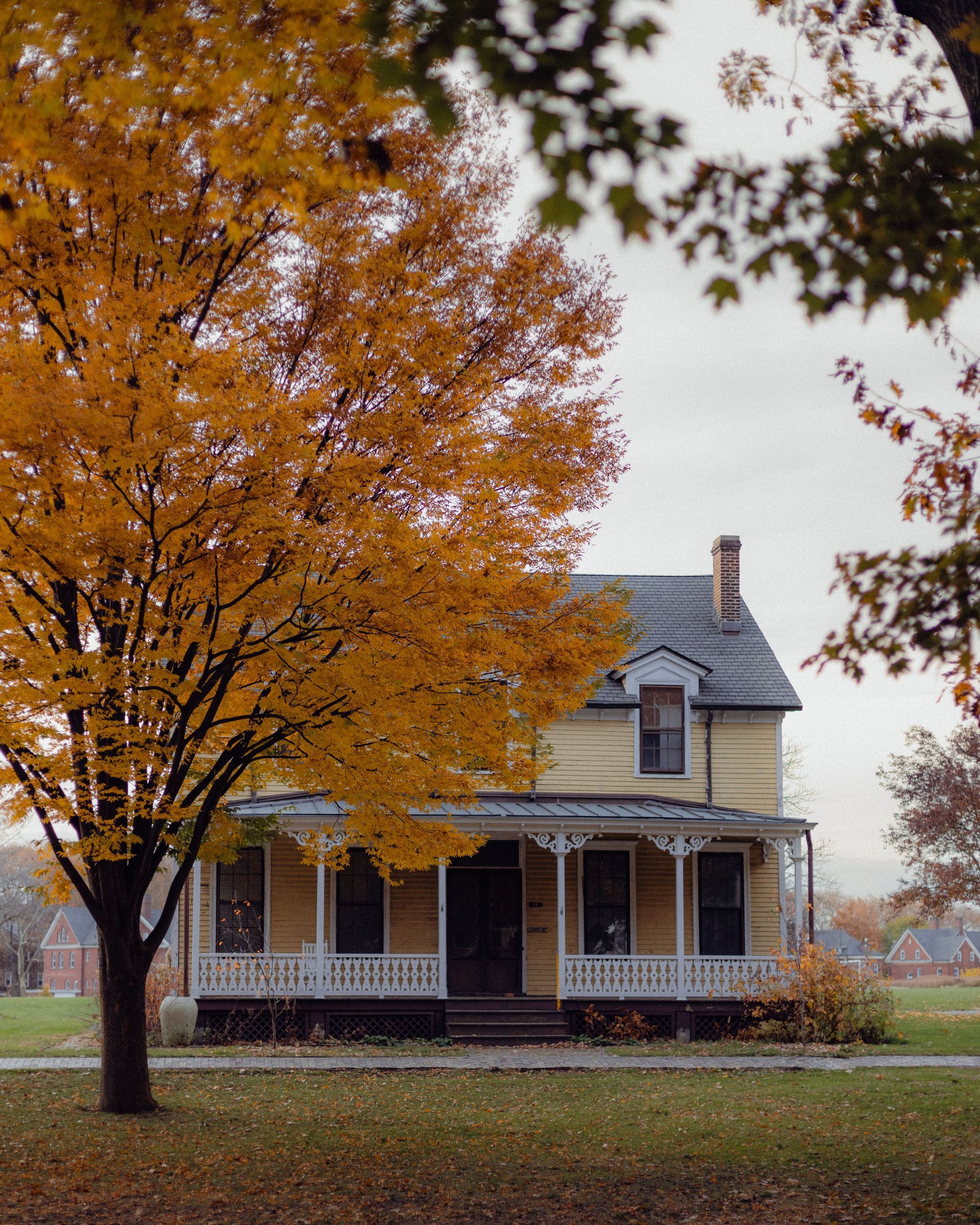
One of the first things people notice when they move to Southwest Virginia / Northeast Tennessee isn’t just the mountains or the slower pace… it’s the people. The kind of place where someone holds the door, waves from a porch, and actually asks how you’re doing—and means it.

And here’s the thing: that small community feel isn’t just “nice.” In real estate, it can make a real difference in how smoothly you buy, sell, and settle in.
1) People here still do business by relationships
In bigger markets, everything can feel transactional. Here, relationships matter.
When your agent truly knows the area—and the people in it—you get better communication, smoother timelines, and fewer surprises.
Because the truth is: a lot of problems get solved faster when people know each other and care about their reputation.
2) Local knowledge isn’t just about neighborhoods — it’s about lifestyle
“Which area is best?” depends on your life.
Do you want:
a walkable town vibe?
a little land and privacy?
quick access to schools and sports?
a spot close to the interstate for commuting?
peace and quiet but still near restaurants and shopping?
Our community feel means we don’t just know the streets—we know what it feels like to live there.
3) The right connections can save you time (and stress)
When you’re buying or selling, you often need help fast:
inspectors
contractors
septic/well service
surveyors
lenders
title companies
cleaners
handyman help
In a small community, your agent’s network is a superpower. A trusted list of pros can keep your deal from getting delayed (or derailed).
4) Sellers benefit when the community is invested
When we market a home, we aren’t marketing to strangers only—we’re marketing to the community.
People share listings because they know someone who’s been waiting for a home like that. Neighbors tell friends. Families want their kids nearby. Word travels.
That “small town” energy can create real momentum when a home hits the market.
5) When you move here, you’re not just moving… you’re joining something
New folks are often surprised by how quickly they feel connected—through schools, sports, churches, local events, small businesses, and community groups.
It’s one of my favorite parts of what I do: helping someone find a house… and then watching it become home.
Closing / CTA
If you’re thinking about buying or selling in SWVA/NETN, I’d love to help you do it the local way—with honesty, relationships, and a real plan.
Send me a message to 276-623-3718 with the word “COMMUNITY” and I’ll send you a few towns that match what you want most (walkable, privacy, schools, views, easy commute, etc.). See you soon!!
Curious About Your Properties Updated Market Value?
Fill Out The Form Below And We Will Send You A Free Market Value Report!
*We value your privacy so any information submitted will not be sold, shared, or added to any type of automated marketing list*
Sign up to our newsletter
Looking To Buy Or Sell A Property?
Contact Us Or Fill Out The Form Below!
Contact Us

Uptown Properties LLC
Address
125 Charwood Drive
Abingdon, VA 24120
Phone
Email

Before we ever put a sign in the yard or list it online, there’s one critical phase that determines how much money you’ll walk away with: Preparation. At Uptown Properties, we don’t just “list homes.” We position them to compete — and win. Here are the 10 most important things to do before your home hits the market. 1️⃣ Declutter Like You’re Moving Tomorrow Buyers don’t want to see your storage challenges. Remove excess furniture Clear countertops Pack up personal photos Edit closets to 50% capacity The goal? Space feels bigger. Brighter. Cleaner. 2️⃣ Deep Clean (Or Hire It Done) A clean home photographs better and shows better. Focus on: Baseboards Light fixtures Ceiling fans Windows Grout and bathrooms Buyers notice cleanliness immediately — even subconsciously. 3️⃣ Handle Minor Repairs That dripping faucet? Loose doorknob? Chipped paint? Small deferred maintenance signals bigger hidden problems. Before listing, fix: Leaky faucets Running toilets Loose hardware Cracked outlet covers Squeaky doors Low cost. High impact. 4️⃣ Neutralize Bold Paint Choices You may love a red dining room. Buyers may not. Soft neutrals like warm whites, greiges, or light taupes allow buyers to picture themselves living there. This isn’t about removing personality — it’s about increasing buyer appeal. 5️⃣ Boost Curb Appeal First impressions start at the street. Pressure wash siding and concrete Refresh mulch Trim shrubs Add simple seasonal flowers Clean or repaint the front door In markets like Abingdon and throughout Southwest Virginia, curb appeal matters — buyers are often driving by before scheduling a showing. 6️⃣ Pre-Inspection (Optional but Powerful) In competitive markets, a pre-listing inspection can: Identify issues early Reduce negotiation surprises Build buyer confidence This isn’t required — but it can be strategic. 7️⃣ Address Odors Immediately You may not smell it. Buyers will. Common culprits: Pets Smoke Musty basements Strong cooking smells Clean HVAC filters. Open windows. Consider professional odor treatment if necessary. 8️⃣ Light It Up Dark homes feel smaller. Before photos and showings: Replace dim bulbs Use consistent daylight bulbs Open all blinds and curtains Add lamps to dark corners Natural light sells. 9️⃣ Stage (Even Lightly) You don’t need a full luxury staging package to improve presentation. Simple staging can: Define awkward spaces Highlight focal points Improve online photos In today’s market, 90%+ of buyers start online. Your photos must stop the scroll. 🔟 Price Strategically — Not Emotionally This is where many sellers make a mistake. Overpricing: Reduces showings Extends days on market Leads to price reductions Weakens negotiating power At Uptown, we analyze: Recent comparable sales Current competition Local demand trends Condition and upgrades Pricing is not guesswork. It’s positioning. 🎯 The Goal: Market-Ready = Maximum Leverage When your home is: Clean Neutral Repaired Professionally marketed Strategically priced You attract stronger buyers, better offers, and smoother closings. 📍 Thinking About Selling in SWVA or NETN? Whether you’re in Southwest Virginia or Northeast Tennessee, the preparation phase determines your outcome. Before you list, let’s walk your property together and create a customized “Market Ready Plan.” Because preparation isn’t optional. It’s profit strategy. Text "Spring" to 276-623-3718 for a free home evaluation

Collect rent. Pay the mortgage. Build wealth. But the reality? It’s often very different. At Uptown Properties, we regularly hear from overwhelmed property owners who say: “My tenant stopped paying.” “I didn’t realize repairs would cost this much.” “I don’t know how to handle this legally.” “I just want out.” If that sounds familiar, you may need what we call Landlord Rescue. 🚨 What Is “Landlord Rescue”? Landlord Rescue is a professional intervention for rental property owners who are: Dealing with difficult tenants Facing unpaid rent or eviction Behind on maintenance Unsure of Virginia or Tennessee landlord laws Tired of managing from out of state Simply burned out Whether you want to stabilize the property or sell and move on, there is a strategy. ⚖️ The Legal Side Most Landlords Underestimate In Virginia and Tennessee, landlord-tenant law is very specific. For example: In Virginia, the Virginia Residential Landlord and Tenant Act outlines strict notice requirements, handling of security deposits, repair timelines, and eviction procedures. In Tennessee, the Uniform Residential Landlord and Tenant Act governs similar issues in applicable counties. One missed notice. One improperly handled deposit. One maintenance issue ignored. It can cost thousands. Many small landlords don’t realize how much liability they’re carrying until something goes wrong. 🔧 The Most Common “Rescue” Situations We See 1️⃣ Non-Paying Tenants Evictions are time-sensitive and paperwork-sensitive. Delays cost money every single day. 2️⃣ Property Damage Small issues turn into major capital expenses when maintenance is delayed. 3️⃣ Inherited Rental Properties Someone inherits a home and suddenly becomes a landlord overnight — without a plan. 4️⃣ Accidental Landlords You moved for work. Couldn’t sell. Decided to rent. Now you’re managing repairs from three states away. 5️⃣ Burnout The property is fine. The tenants are fine. You’re just done. And that’s okay. 🛟 What Landlord Rescue Looks Like at Uptown We evaluate your situation and help you decide between: ✅ Stabilize & Keep Tenant evaluation Lease review Market rent analysis Maintenance plan Transition into professional property management 💰 Clean Up & Sell Evaluate tenant status Calculate ROI vs. continued holding Repair strategy for resale Market positioning Full listing strategy Sometimes the best investment decision is knowing when to exit. 📊 The Hidden Cost of “I’ll Handle It Myself” Here’s what many landlords underestimate: Vacancy loss Legal mistakes Underpriced rent Deferred maintenance Emotional stress Owning rental property should build wealth — not consume your peace. 🌎 Serving Landlords Across Virginia & Tennessee If you own property in Virginia or Tennessee and feel stuck, overwhelmed, or unsure what your next move should be… Let’s talk. Whether you need: A rescue plan A management solution Or a graceful exit You don’t have to figure it out alone. 📞 Ready for a Landlord Rescue Strategy Session? No pressure. Just clarity. Because sometimes the smartest investment move is asking for help. — Call today 276-623-3718 Uptown Properties LLC

If you’ve ever pictured your morning starting with a cup of coffee and a view of your horses in the pasture, you’re not alone. Horse property is one of the most rewarding lifestyles out there — but finding the right place matters just as much as the dream itself. Virginia and Tennessee continue to be two of the best regions to consider if you want land, freedom, and a true equestrian-friendly way of life. Here’s why — plus what to look for when shopping for a horse-ready home. Why horse property is more than “just acreage” Horse property isn’t only about having land — it’s about having land that works. The right property can mean: safer turnout and better footing easier daily routines (water access, barn layout, storage) fewer headaches (drainage, fencing, access for hay deliveries) room to expand (arena, round pen, additional stalls) The goal is function + safety, not just “more space.” Why Virginia is a great option for horse property 1) Rolling land, pasture potential, and four seasons Virginia’s landscape offers a lot of what horse owners love: hills, open fields, and gorgeous countryside. Many areas provide excellent pasture potential, and the seasons create a natural rhythm for riding, training, and property upkeep. 2) Strong horse culture Across Virginia — especially outside major metro areas — you’ll find a long history of horse ownership and rural land use. That often translates into: properties already set up with barns or fencing local contractors familiar with farm needs communities where equestrian living is normal (not “weird”) 3) Variety of property types Virginia tends to offer a wide range: small hobby farms, larger acreage, homes with existing barns, and land where you can build exactly what you want. Why Tennessee is a great option for horse property 1) Space, privacy, and value Tennessee is known for offering beautiful rural land with room to breathe. If you’re looking for: more acreage for your budget privacy and peaceful surroundings property that feels tucked away but still accessible Tennessee is often a great fit. 2) Outdoor lifestyle + trail riding possibilities Many areas across Tennessee are built for people who want to live outdoors — which pairs perfectly with horse ownership. The riding culture can be strong, and you’ll often find plenty of like-minded neighbors. 3) “Make it yours” potential In many Tennessee markets, buyers can find land that’s ready for improvements — meaning you can build out a barn, add fencing, or create your dream setup over time. What to look for in a true horse-ready property Before you fall in love with the house, make sure the land supports the lifestyle. Here are the big ones: Pasture + drainage Does the land hold water? (Mud management matters!) Are there flat or gently sloped areas for turnout? Is there a dry place to feed during wet seasons? Water access Automatic waterers? Freeze-proof options? Distance from barn to water source? Is there a dependable well or public water? Fencing What type is it (woven wire, board, electric, high-tensile)? Condition of posts/gates? Is it truly horse-safe? Barn setup + storage Stall sizes and ventilation Tack/feed room space Hay storage (and delivery access!) Run-in sheds or shelter options if no barn Access for trailers and deliveries This one gets overlooked all the time: Can a trailer easily turn around? Is the driveway steep or narrow? Can hay/shavings trucks get in without drama? Zoning / restrictions Even rural areas can have rules: HOA restrictions (yes, sometimes even with acreage) county zoning rules for livestock easements that affect fencing, riding, or building The biggest “mistake” horse buyers make They buy land that looks beautiful… but isn’t practical. A smart horse property purchase balances: usable land (not just wooded or steep hillside) daily efficiency (how long chores take matters!) safety (fencing, footing, layout) future plans (more horses, arena, boarding, etc.) Final thought: Virginia and Tennessee are built for this lifestyle If you’re looking for room to ride, space for your animals, and a slower pace without losing access to town conveniences, Virginia and Tennessee are hard to beat. The best part? There are options ranging from “two-horse hobby farm” to “full-on equestrian setup.” Ready to start the search? If you’re thinking about buying horse property in Southwest Virginia or Northeast Tennessee, I can help you narrow down: the right counties/areas for your lifestyle what features matter most for your horses how to spot expensive red flags before you make an offer text "Horse" 276-623-7035 and we will shoot over some available properties.

Commercial real estate isn’t “residential, but bigger.” It’s a different buyer, a different set of numbers, and a different marketing strategy. If you’re considering selling a retail space, office building, warehouse, mixed-use property, or land with commercial potential, the way you list it can directly impact your price, timeline, and the quality of offers you receive. Here’s what smart commercial sellers do before they hit the market — and what a strong commercial listing plan looks like. 1) Commercial buyers don’t buy feelings — they buy facts Residential buyers fall in love. Commercial buyers underwrite. They want clear answers to questions like: What’s the income potential? What are operating expenses? What’s the condition of major systems (roof/HVAC)? What’s the zoning and allowable use? How easy is access, parking, visibility, and signage? A commercial listing needs to read like an investment opportunity, not a home description. 2) Pricing commercial property is not one-size-fits-all Commercial pricing can be based on several different approaches, including: Income approach (NOI, cap rate) for income-producing assets Sales comparison (true comps, not “sort of similar”) Cost approach (especially for special-use buildings) Even owner-user properties (where a business will occupy the space) still need pricing that makes sense to a buyer who is comparing cost per square foot, buildout costs, and financing terms. The biggest pricing mistake? Guessing based on “what I saw one sell for.” 3) The paperwork matters more than people realize When commercial buyers get serious, they ask for documents fast. The smoother you can deliver, the faster you move. Depending on the property type, a strong listing package may include: rent roll (if leased) leases + amendments (if applicable) operating expenses (utilities, taxes, insurance, CAM) survey (if available) zoning info + permitted uses building plans, age of roof/HVAC, known repairs environmental history (if relevant) A prepared seller looks professional — and reduces buyer “discounting.” 4) Marketing: commercial exposure is a different animal Commercial listings need to show up in front of: owner-users (local/regional businesses) investors (often outside the immediate area) developers brokers and tenant reps That means marketing should include more than a few photos and a sign. A strong commercial listing strategy often includes: professional photos + aerials (and sometimes video) clear floor plan or layout description traffic counts and visibility notes (when available) parking count and access points zoning and use highlights a clean, easy-to-share “property highlights” sheet Commercial buyers want the numbers and the story in one place. 5) Presentation still matters — even in commercial A commercial buyer may not care about throw pillows, but they do care about: cleanliness deferred maintenance how the property “shows” for tours first impressions at the street If the exterior looks neglected, buyers assume the building has been neglected too — and they price accordingly. Quick wins before listing: pressure wash, trim landscaping, clear signage area brighten entrances and replace broken lighting fix obvious safety issues (railings, steps, trip hazards) 6) Negotiation is often about terms, not just price Commercial deals commonly involve: longer due diligence inspections that focus on systems and compliance financing complexity (or cash buyers) requests for repairs, credits, or price adjustments tenant/lease negotiations if it’s occupied The best outcomes come from knowing what matters most to the buyer type: Investor: stability of income, lease strength, expenses Owner-user: functionality, condition, buildout cost, parking/access Developer: zoning, utilities, site layout, feasibility When you position the property for the right buyer pool, you protect your leverage. 7) The “right” agent for commercial is strategy + execution A great commercial listing agent helps you: price with a real framework (not vibes) create a listing package buyers trust market to the right channels and buyer types qualify offers and guide negotiations confidently avoid surprises that kill deals late in the process Thinking about selling a commercial property? If you’re considering listing a commercial property, I’m happy to take a look and give you an honest, professional opinion on: pricing strategy best target buyer (investor vs owner-user vs developer) improvements worth doing (and what to skip) a marketing plan designed to maximize exposure

Moving is a big deal… and your pets know it. Even if they don’t understand what “closing day” means, they definitely notice the boxes, the missing furniture, and the change in routine. The good news: with a little planning, you can make moving day calmer, safer, and way less chaotic for everyone. Here’s a practical, pet-friendly moving guide that works whether you’re relocating across town or making a big move to a new state. 1) Prep your pet before the chaos starts Pets thrive on routine, so a move can feel like the whole world is shifting. A few small steps ahead of time can prevent major stress later. Schedule a vet visit (especially if your pet is due for vaccines or medications). Update microchip + tags with your new address/phone number. Ask for medical records and refill prescriptions before moving week. Practice the carrier (leave it out, toss treats inside, let it become “normal” again). If your pet gets anxious in cars, talk with your vet about safe options for travel comfort. 2) Pack a “Pet Essentials” bag (do this early!) You’ll have a box for coffee mugs… your pet needs one too. Include: 3–5 days of food + treats bowls + bottled water leash/harness + poop bags litter + litter box (cats) favorite toy/blanket (something that smells like home) meds + vet paperwork cleaning supplies for accidents (it happens!) Pro tip: keep this bag with you — not on the moving truck. 3) Moving day: set up a “safe room” Moving day is loud, doors are open, strangers come and go, and pets can bolt. Choose a bathroom, bedroom, or laundry room and set it up with: food/water litter box (cats) bed/blanket calming music or a white-noise app a sign on the door: “PET INSIDE — DO NOT OPEN” This alone prevents most moving-day pet mishaps. 4) Traveling to your new home (car tips) If you’re driving with pets: No free-roaming pets in the car. Use a carrier or seatbelt harness. Plan stops (but keep cats safely contained). Never leave pets in a parked car, even for a “quick minute.” Bring a towel and backup supplies — just in case. If you’re flying, check airline rules early and confirm crate requirements. 5) First day in the new home: keep it familiar When you arrive, pets can feel overwhelmed. Start them in one area, let them adjust slowly, and bring familiar scents into the new space. Unpack their stuff first (bed, bowls, litter, toys). Feed them at the usual time. Keep walks short and close to home at first (new sounds, new smells). Watch doors carefully — pets are more likely to slip out in the first week. 6) What about fences, yards, and rural living? If you’re moving to an area with more land (hello SWVA/NETN!), it’s a dream for many pet owners — but it comes with a few considerations: Check fencing quality and gate security Ask about local wildlife (and talk to your vet about prevention) Confirm leash rules in neighborhoods and parks Consider training refreshers if your pet will have more open space 7) Give it time — moving stress is normal A lot of pets act “off” after a move: hiding, clingy behavior, reduced appetite, extra barking/meowing. Most settle within a few days to a few weeks. If anything feels extreme or lasts too long, your vet can help. Quick Checklist: Pet-Friendly Move ✅ Vet visit + updated tags/microchip ✅ Pet essentials bag packed early ✅ Safe room on moving day ✅ Secure travel (carrier/harness) ✅ Start with one room in the new home ✅ Maintain routine and familiarity

Winter is often viewed as a slow season for home projects—but it’s actually one of the best times to tackle renovations that add comfort, efficiency, and long-term value. With more time spent indoors, winter projects can make your home work better now and prepare it for the busy spring market. Here’s a smart winter renovation list to help homeowners make the most of the season. 1. Refresh Interior Paint Winter is an ideal time for painting: Faster drying with controlled indoor temperatures Less humidity than warmer months Minimal disruption to outdoor spaces Neutral, light tones can brighten rooms during darker months and appeal to buyers later. 2. Upgrade Lighting Shorter days highlight the importance of good lighting. Consider: Replacing outdated fixtures Adding LED or recessed lighting Installing dimmer switches for flexibility Lighting upgrades are relatively inexpensive and can dramatically improve a home’s feel. 3. Focus on Energy Efficiency Cold weather exposes inefficiencies quickly. Winter is the time to: Seal windows and doors Add weather stripping Upgrade thermostats to smart models Service HVAC systems Energy-efficient homes are not only more comfortable—they’re more attractive to buyers. 4. Update Kitchens and Bathrooms You don’t need a full remodel to make an impact. Small updates go a long way: New cabinet hardware Updated faucets Modern light fixtures Fresh grout or caulk These rooms sell homes, and winter is a great time to make them shine. 5. Flooring and Trim Improvements Interior projects like: New flooring Refinished hardwoods Updated baseboards or trim can be completed without worrying about outdoor weather delays—and they add noticeable value. 6. Organize and Declutter Winter is perfect for tackling storage areas: Closets Pantries Basements Garages Decluttering makes daily life easier and sets you up perfectly if selling is in your future. 7. Plan for Spring Projects Even if you’re not ready to start outdoor renovations, winter is ideal for: Getting contractor quotes Planning landscaping Budgeting for exterior updates Being prepared early means you’ll beat the spring rush. Renovate With Purpose Not every renovation pays off equally. Before starting a project, it’s wise to understand how updates affect your home’s value—especially if selling is on your radar. At Uptown Properties, we help homeowners prioritize renovations that make sense for their goals and the local market. Whether you’re improving your home to enjoy it or preparing for a future sale, guidance matters. 🏡 Uptown Properties | All Things Home—Every Season of Life

Super Bowl Sunday is about more than football—it’s about friends, food, and gathering in the heart of your home. Whether you’re hosting a full house or keeping it low-key, a little preparation goes a long way toward enjoying the game instead of managing chaos. Here are some simple, no-stress tips to help you host like a pro. Set Up a Game-Day Flow Before guests arrive, think about how people will move through your space. Create a natural flow from the TV to the kitchen and snack areas so guests aren’t bumping into each other every time they need a refill. Pro tip: Set up one main food station and a separate drink station to avoid traffic jams. Keep the Menu Simple (Really) Super Bowl food should be easy to grab, eat, and enjoy—no forks required. Crowd-pleasing favorites include: Sliders or wings Chips with a few dips Veggie trays or finger foods A slow-cooker item that stays warm all game Simple food means more time enjoying the game—and less time in the kitchen. Make Your Living Room Guest-Ready You don’t need a full deep clean, but a few quick touches can make a big difference: Clear coffee tables and side tables Add extra throw blankets or floor seating Turn on lamps instead of overhead lights for a cozy feel Comfort matters just as much as the score. Don’t Forget the Halftime Reset Halftime is the perfect moment to: Refill snacks and drinks Quick-wipe surfaces Take out trash if needed Five minutes of reset = a calm second half. Hosting Shows Off What a Home Can Do One of the best things about hosting game day is realizing how much a home brings people together. Open living areas, spacious kitchens, finished basements, and outdoor spaces all shine during events like this. If you ever find yourself thinking, “I wish I had a bigger space for this,” it might be time to start exploring options. Home Is Where the Memories Are Made From cheering wins to friendly rivalries, Super Bowl Sunday creates memories that last long after the final whistle. And the best part? It all happens at home. At Uptown Properties, we help buyers and sellers find homes that fit their lifestyle—whether that means hosting game day, holiday dinners, or quiet nights in. Thinking about making a move this year? We’d love to help you find a home that’s ready for your next celebration. 🏡 Uptown Properties | All Things Home—On Game Day and Every Day

If you’ve ever pulled up a home online and thought, “Wait… that number can’t be right,” you’re not imagining it—especially in rural markets. Online estimates can be a helpful starting point, but in Southwest Virginia and Northeast Tennessee (and other rural areas), they’re often off because rural real estate simply doesn’t behave like cookie-cutter neighborhoods. Here’s why. What those online estimates really are Most big websites use an AVM (Automated Valuation Model). It’s basically an algorithm that tries to predict value using: Recent sales in the area Public record data (beds/baths, square footage, lot size, etc.) Market trends and historical pricing patterns That works reasonably well in subdivisions where 10 similar homes sold this year. In rural areas, that “similar home” is often… not a thing. Why rural estimates are often inaccurate 1) Not enough true “comps” Rural properties can be miles apart, and sales volume can be lower. If there aren’t enough comparable homes nearby, the model stretches to find “similar” sales—sometimes too far away or in a totally different micro-market. 2) Land isn’t one-size-fits-all Acreage value varies wildly based on: Usable vs. steep land Road frontage and access Views, streams, timber, pasture, or cleared land Fencing, barns, outbuildings, and farm improvements Algorithms often treat land like a simple math equation. Real land value is more nuanced. 3) Unique features confuse the model Rural homes often have features that don’t show up cleanly in public records: Finished basements (or partially finished spaces) Detached garages, workshops, barns Guest houses, income-producing units Higher-end renovations or custom construction If the data is missing or outdated, the estimate can be dramatically low—or oddly high. 4) Condition matters more than the internet can see Two homes can have the same square footage and still be tens of thousands apart because of: Roof age, HVAC, windows Deferred maintenance Updated kitchens/baths Foundation or drainage issues Online estimates can’t walk through the home. Condition is everything. 5) Wells, septic, and private roads aren’t always reflected well Rural infrastructure can change marketability and cost: Well depth/quality, filtration systems Septic type, capacity, and condition Private road maintenance agreements or shared drive access These details rarely translate accurately into automated estimates. 6) Rural “micro-markets” are real In rural areas, one side of the mountain can price differently than the other. School districts, commute times, internet availability, and even cell service can impact value. Algorithms struggle with these hyper-local drivers. 7) The estimate can lag behind reality When the market shifts (up or down), online numbers may update slowly—especially where sales are infrequent. The biggest mistake people make with online estimates Treating the number like a fact instead of a guess. For homeowners: it can lead to overconfidence (“My house is worth X!”) or unnecessary worry (“Why is it so low?”). For buyers: it can create confusion (“Why are they asking more than the estimate?”). For sellers: it can cause missed money or longer days on market if pricing is built on the wrong data. So what should you use instead? A local CMA (Comparative Market Analysis) A good CMA looks at: True comparable sales (and adjusts properly) Condition, updates, layout, and functionality Land usability and features Market demand for that specific type of property A pricing strategy—not just a number Pricing well is part math, part marketing, part psychology. The goal isn’t just “value”—it’s attracting the right buyers and creating strong demand. Want to know what your home is really worth? If you’re in Virginia or Tennessee and you’d like a real-world value range, I can run a local CMA and explain the “why” behind the numbers (not just hand you a figure). Text me at 276-623-3718: Your address Any major updates (roof/HVAC/kitchen/baths) Acreage + any outbuildings …and I’ll help you get a value picture that actually matches the local market.

Owning a rental property can be one of the best wealth-building moves you make—until it starts feeling like a second full-time job. Between late-night maintenance calls, tenant screening, lease renewals, and staying compliant with ever-changing requirements, it’s easy for “passive income” to turn into constant stress. That’s where we come in. At Uptown Properties, we provide full-service property management designed to protect your investment, reduce your risk, and help you build long-term returns—without you having to be the one answering the phone at 9:47 PM. What we manage (and who we help) We work with: First-time landlords who want to do it right from day one Busy owners who live out of town (or out of state) Investors growing a rental portfolio Accidental landlords who kept a home and rented it out Owners who are tired of “self-managing” and ready for peace of mind Whether you have one rental or multiple doors, we build a plan around your goals, your property, and your comfort level. What full-service property management looks like at Uptown 1) Tenant screening that protects your property A great tenancy starts before move-in. We use a consistent screening process to help place qualified tenants and reduce the likelihood of payment issues, property damage, and early move-outs. 2) Clear leases + consistent enforcement Strong leases and documented procedures matter. We focus on clear expectations from the beginning—so everyone understands the rules, responsibilities, and process. 3) Rent collection and owner statements You shouldn’t have to chase rent. We handle rent collection and provide reporting so you can track performance without spreadsheets and guesswork. 4) Maintenance coordination that saves time (and prevents bigger problems) Small issues become expensive issues when they’re ignored. We coordinate maintenance, communicate with tenants, and document repairs—so your property stays protected and tenants stay satisfied. 5) Inspections + documentation A big part of management is verification. We perform inspections and maintain records so owners have visibility and tenants have accountability. 6) Renewals, notices, and transition management Lease renewals, end-of-term processes, and move-outs are where many landlords get burned. We manage the timeline, communication, and steps—so things stay organized and compliant. Why local management matters In property management, local knowledge is a real advantage. Our team understands the rental market, vendor landscape, and tenant expectations in our area—and we’re close enough to respond quickly when it counts. With Uptown, you get: A local team that knows the market Professional systems (not “winging it”) Reliable communication and documentation A management plan built around protecting your investment Is it time to hire a property manager? Here are a few signs it might be: You’re overwhelmed with calls, repairs, and tenant issues You’re unsure if your lease and processes are strong enough Your tenant turnover feels too frequent You want to scale your rental portfolio You live far away or just want your time back If any of that sounds familiar, a conversation can save you money—and a whole lot of stress. Let’s talk about your rental goals If you’re looking for a professional, local team to manage your investment with care and consistency, we’d love to help. Contact Uptown Properties to schedule a property management consultation and find out what managing your rental could look like with the right partner. Property Management You Can Trust We handle tenant screening, rent collection, maintenance coordination, inspections, renewals, and more—so you can protect your investment and enjoy the benefits of owning rental property without the daily stress.

Every year on February 2nd, all eyes turn to Punxsutawney Phil to see whether we’re in for six more weeks of winter—or an early spring. While it’s a lighthearted tradition, Groundhog Day also marks a subtle shift in how people start thinking about home, moving, and the year ahead. The Tradition Behind Groundhog Day Groundhog Day dates back more than a century and is rooted in folklore. If the groundhog sees his shadow, winter sticks around a bit longer. If not, spring is right around the corner. Either way, February 2nd tends to spark a mindset change—people start planning instead of hibernating. Why This Time of Year Matters in Real Estate Even if spring feels far away, the real estate market begins warming up now. This is when: Buyers start watching listings more closely Sellers begin prepping homes for spring Lenders see an uptick in pre-approvals Families start planning moves before summer Groundhog Day is often the unofficial signal that the busy season is coming. For Homeowners: Now Is Prep Season If you’re thinking about selling this year, February is the perfect time to: Declutter and organize Start small repairs or updates Schedule a home value review Plan exterior touch-ups once weather improves Getting ahead now means less stress when the market heats up. For Buyers: Planning Beats Waiting Buyers who plan early often have the strongest position. That includes: Talking with a lender Understanding budgets and monthly payments Watching local inventory Being ready to act when the right home appears Spring competition is real—preparation gives you an edge. Shadow or No Shadow—Change Is Coming Whether winter lingers or spring comes early, one thing is certain: change is coming. Groundhog Day is a reminder that seasons shift—and so do housing needs. At Uptown Properties, we help our clients plan ahead, not just react. Whether you’re buying, selling, or just curious about your home’s value, this is a great time to start the conversation. 🏡 Uptown Properties | All Things Home, In Every Season